Prices
  Request a call back
  Moving Guides
  Free quote
 Narrow street moving solutions in Vauxhall for removals
Posted on 18/06/2026
Moving in Vauxhall can look straightforward on a map, then suddenly become a puzzle in real life. Tight roads, parked cars, awkward corners, busy weekday traffic, and shared entrances can all turn a simple removal into a careful piece of logistics. That is exactly why narrow street moving solutions in Vauxhall for removals matter: they help you move safely, efficiently, and with a lot less stress.
Whether you are leaving a flat near a tucked-away mews-style street, relocating an office with limited kerb space, or trying to get furniture out without blocking the road for half the morning, the right approach makes a huge difference. In this guide, we break down how narrow-street moves work, what to expect, where the risks are, and how to prepare properly so moving day does not turn into a scramble. Let's face it, nobody wants to be negotiating with a reversing van while a neighbour is trying to leave for work.
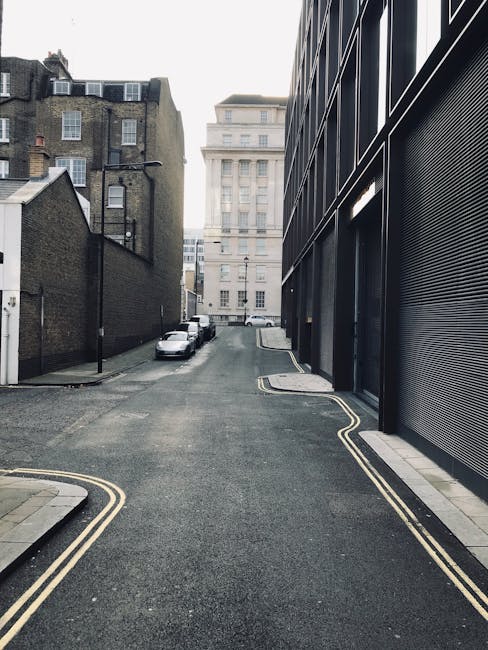
Why Narrow street moving solutions in Vauxhall for removals Matters
Vauxhall has plenty of streets where the road width alone is not the full problem. The real issue is the combination of narrow access, controlled parking, time pressure, and the fact that a removal vehicle may need to stop further away than you hoped. When that happens, every extra metre matters.
A move that works well in a wider suburban road can become clumsy in central London-style conditions. If the vehicle cannot get close to the entrance, you need more carrying distance, more coordination, and more protection for furniture and walls. That is where planning for narrow access pays off. It is not about making the move "smaller"; it is about making it smarter.
In practical terms, narrow street moving solutions reduce the chances of:
- double parking problems and avoidable delays
- damage to hallways, banisters, doors, and furniture
- last-minute vehicle re-planning
- stress between neighbours, drivers, and the removal team
- underestimating how long loading and unloading will take
That is especially important in Vauxhall, where access can be a bit awkward even on seemingly ordinary roads. One small planning mistake can ripple through the entire day. A short delay at the front door can easily become an expensive delay at the back end. Annoying, yes. Preventable, usually.
If you are comparing move types, it can help to look at broader local removal support too, such as local removals services in Lambeth or the more flexible man with a van option when space is tight and access needs careful handling.
How Narrow street moving solutions in Vauxhall for removals Works
At heart, the process is simple: reduce friction before the van arrives. But the detail matters. A good narrow-street move usually starts with a proper access check, then a vehicle choice that suits the road, then a loading plan that fits the property layout.
Here is how it normally works in practice:
- Access is assessed before the move. The team looks at the road width, turning space, parking options, stair access, doorway clearance, and any one-way restrictions or pinch points.
- The vehicle is matched to the street. In some cases, a smaller van is better than a larger one. The goal is not simply capacity; it is getting the vehicle positioned sensibly without causing chaos.
- Parking and timing are planned. A move early in the day may be easier than one in the middle of peak traffic. Sometimes a short loading window is more realistic than a long wait for a prime space.
- Items are prepped for faster movement. Furniture may be dismantled, boxes labelled, and fragile pieces wrapped before the van even arrives.
- Loading follows the access route. The team places the largest or most awkward items first, then fills in smaller items so the route from the property to the van stays controlled.
- Unloading is managed to suit the new property. Narrow stairs, basement entrances, or shared hallways can change the way the move is completed.
That might sound obvious, but in real life the difference between a smooth move and a messy one is often the sequence. If your sofa comes out first but the van is parked too far away, you lose time. If the van is perfect but the boxes are not packed properly, you lose time again. Small things, but they add up.
For readers handling a more specific property type, it may be useful to explore flat removals support or home removal services depending on the layout and volume of items involved.
Key Benefits and Practical Advantages
The obvious benefit is easier access. But the best narrow-street moving solutions do more than fit a van into a difficult road. They protect time, reduce risk, and keep the move calm enough that everyone can breathe a bit easier.
- Less wasted time: Proper access planning reduces the back-and-forth that happens when a van arrives and cannot stop where expected.
- Lower risk of damage: Better route planning means fewer scrapes on furniture, doors, and paintwork.
- Improved neighbour relations: Nobody loves a moving van blocking the road all morning, so efficient loading helps keep things civil.
- Better vehicle choice: A compact van or a carefully chosen crew setup can work better than forcing a large vehicle into a tight street.
- More accurate scheduling: Once you understand the access constraints, you can plan the day with fewer surprises.
Expert summary: In narrow Vauxhall streets, success is usually about control, not speed. The best move is the one that fits the road, the building, and the timing without forcing any single part to do too much.
There is also a financial angle. If loading takes longer than expected because access was not planned, labour costs can rise. If the team has to re-park repeatedly or split the move into more trips, costs can rise again. A bit of preparation often protects the budget. That is one reason people reviewing pricing and quotes should ask specifically how narrow access is factored in.
Who This Is For and When It Makes Sense
Narrow street moving solutions are not just for unusually tricky buildings. They are for anyone whose property access is tight enough to make standard moving assumptions unreliable.
This tends to suit:
- tenants moving in or out of flats with limited roadside access
- families in terraced homes with narrow frontage
- students moving from compact properties with stair-only access
- office teams relocating from busy streets with little loading space
- people moving large or awkward items, such as wardrobes, sofas, or a piano
It also makes sense when the property has a few hidden complications. Maybe the street is narrow, but the real headache is the distance from the van to the front door. Or the road is fine, but there is nowhere legal to pause without getting in everyone's way. Or the building itself is easy enough, but the corner turn outside is tight and the van has to approach from one specific angle. These are the details that matter, not the postcode glamour of the move.
If you are moving with limited space and only a small load, a service like man and van in Lambeth can be a sensible fit. For larger household moves, service options overview may help you compare what level of support you actually need.
Sometimes, truth be told, the move looks small on paper but behaves like a bigger job in real life. A box-only move up two flights of stairs in a narrow road can take longer than a bigger but easier-access move. Funny how that works.
Step-by-Step Guidance
If you want the move to feel organised rather than improvised, follow a structured plan. Narrow-street removals reward preparation more than bravado.
- Measure the awkward bits. Check the stair width, hallway turns, lift size if relevant, and the space around the front entrance. Even a quick tape measure can save a lot of guesswork.
- Take photos of the access route. A few clear pictures of the road, frontage, and entrance can help a removal team judge what vehicle and handling approach will work best.
- Decide what should be dismantled. Beds, table legs, and some wardrobes are easier to move in sections. Don't wait until the van is outside to realise the headboard is the wrong shape.
- Arrange parking or loading permission early. If you need temporary loading space, build that into your plan well in advance.
- Pack in travel order. Essentials first, awkwardly shaped items separately, fragile pieces clearly marked, and day-one items easy to find.
- Confirm the arrival window. Narrow streets often work better when the crew arrives at a time of day with less traffic and fewer competing vehicles.
- Keep a fallback plan. If the nearest space is taken, know where the van can safely stop instead. Tiny detail, huge difference.
A useful rule of thumb is this: if a piece is hard to carry through the property, it will probably be harder again in a narrow street. That is why a removal team may suggest splitting the load, using more protective wrapping, or selecting a different van size.
For specialist items that need extra care, it is worth reviewing furniture removals support or, for particularly delicate instruments, piano removals expertise.
Expert Tips for Better Results
Small decisions matter most in narrow streets. A lot of the smoother moves I've seen come down to the boring stuff done properly. Not glamorous, but effective.
- Choose the right start time: Early morning often gives you a cleaner run at parking and less traffic pressure. Mid-morning can be fine too, but it depends on the road.
- Protect the building first: Door frames, banisters, and floors are the first things to suffer in a cramped route. Use covers, blankets, and careful handling.
- Keep a clear landing zone: If the front step or hallway is cluttered, everything slows down. Clear that space before the crew arrives.
- Use smaller load runs where needed: A single big lift is not always the smart option. Sometimes two tidier trips beat one overstuffed one.
- Label fragile items clearly and consistently: A box marked "fragile" should really mean fragile, not "probably fine if handled like a sack of potatoes."
One thing people often overlook is weather. A wet pavement, a windy day, or a cold morning can make a narrow-street move a bit more awkward because the carrying pace naturally changes. It is not dramatic, just real. Plan a little extra time and you will usually feel better for it.
If you are trying to make the move feel more controlled from the start, you may also find packing and boxes guidance helpful before moving day arrives.
Common Mistakes to Avoid
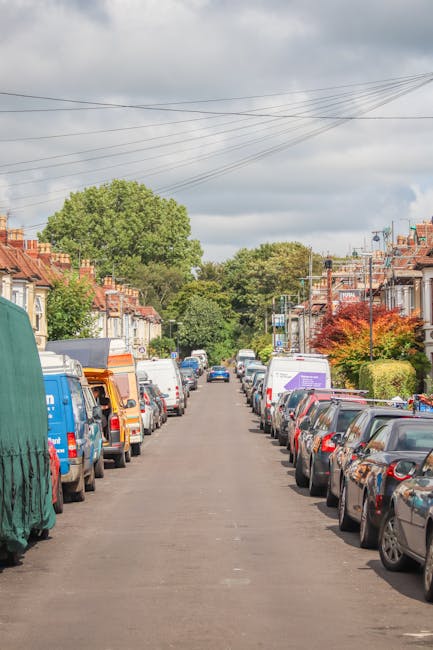
Most problems in narrow-street removals come from assumptions. The street looks manageable, so people assume it will behave like a standard loading area. Then the van arrives, and well... reality does its thing.
- Assuming the biggest van is the best van: Bigger is not always better when turning space and kerb access are limited.
- Leaving parking planning until the last minute: That can create avoidable delays, especially in busier parts of Vauxhall.
- Not checking internal access: The street may be tight, but internal corners and staircases can be just as limiting.
- Forgetting to dismantle bulky furniture: A wardrobe that cannot turn a landing is not a moving problem, it is a planning problem.
- Packing heavy boxes too full: Overweight boxes are slower to move and more likely to fail at the worst moment.
- Ignoring neighbour or building considerations: Shared entrances and narrow pavements need a bit of courtesy and timing.
People also underestimate how important communication is. If the crew knows the access is tight, they can plan for it. If that detail gets mentioned only after arrival, the whole process is much less efficient. Simple, but easy to miss.
For a broader look at what can go wrong on moving day, the advice in avoiding hidden removals fees and route planning tips for nearby areas can be surprisingly useful.
Tools, Resources and Recommendations
You do not need a truckload of gadgets to move well. But a few practical tools make narrow-street removals easier and safer.
| Tool or resource | Why it helps | Best use case |
|---|---|---|
| Measuring tape | Checks doorway, stair, and furniture fit | Bulky items and tight interior turns |
| Furniture blankets | Protects items and walls from scuffs | Large or awkward objects |
| Labels and marker pens | Keeps boxes organised and quicker to unload | Any household or office move |
| Sturdy tape and wrapping | Secures drawers, doors, and fragile edges | Furniture dismantling and protection |
| Photo notes on your phone | Helps show the access layout clearly | Pre-move planning and quoting |
On the service side, it helps to work with movers who understand local access issues, not just general removals. You can also compare wider support through removal services in Lambeth or review removal van options if your move needs a compact vehicle and careful routing.
For general company background and trust-building, pages such as about us and insurance and safety are worth a look before you book. Reassurance matters, honestly.
Law, Compliance, Standards, or Best Practice
For narrow-street removals, the main compliance issues are usually practical rather than dramatic: safe driving, sensible loading, proper parking, and care around other people's property. If a move involves restricted parking, loading bays, or busy shared access, it is wise to plan in line with local parking rules and building requirements, rather than assume flexibility.
Best practice usually includes:
- not blocking access routes longer than necessary
- avoiding unsafe stops or manoeuvres in tight streets
- protecting floors, walls, and doorframes during handling
- communicating clearly with residents, building staff, or neighbours where relevant
- using proper lifting and carrying methods for heavy items
In the UK, professional movers are also expected to work with appropriate care for health and safety, and clients should ask how risk is managed before the move begins. That does not mean you need to turn moving day into a legal seminar. It just means everyone should know the plan and the limits.
If you want to understand the company's approach to service expectations, the fine print in terms and conditions and the complaint process in complaints procedure can be useful context. Not exciting reading, granted, but worth a glance.
Options, Methods, or Comparison Table
Not every narrow street move needs the same setup. The right choice depends on access, volume, and how much time you have. Here is a simple comparison.
| Method | Best for | Pros | Trade-offs |
|---|---|---|---|
| Small van move | Light or medium loads, tighter roads | Easier parking, easier turning, better for awkward streets | May need more than one trip if the load is large |
| Man and van service | Flexible moves with mixed item sizes | Good for short-notice or smaller-scale removals | Less suitable for very large household moves |
| Full removals crew | Larger homes, more furniture, complex access | More hands, more coordination, more protection for fragile items | Usually needs more planning and a tighter schedule |
| Split-load approach | Moves with very restricted access | Reduces pressure in the street and around the property | Can take longer overall |
In many Vauxhall narrow-street cases, the split-load or small-van approach is the most realistic. It can feel slightly less efficient on paper, but in practice it is often the calmest choice. And calm wins, most days.
For quick-response situations, same-day removals may be relevant when timing has gone sideways, while students and compact household movers may prefer student removals support for simpler, lighter moves.
Case Study or Real-World Example
Here is a realistic example. A couple moving out of a second-floor flat in Vauxhall had a street that looked close enough for a van, but only at certain times of day. The road narrowed near a bend, and the best stopping point was still a short carry from the entrance. They also had a sofa that could not make the stair turn in one piece.
Instead of forcing a standard approach, the move was handled with a smaller vehicle, an earlier arrival window, and a dismantling plan for the sofa and bed frame. Boxes were staged near the front door, the stairwell was protected, and the loading route was kept as clear as possible. Nothing dramatic happened. Which, in removals, is often the win.
The result was a slower start than they first expected, but a much smoother overall move. No scraped walls, no traffic argument, no last-minute panic over the sofa angle. And that is really the point: narrow-street solutions are not about speed theatre. They are about making the move look uneventful.
For a nearby local perspective on moving patterns and property changes, a local's perspective on Lambeth living and information about Lambeth can help set expectations about the area.
Practical Checklist
Use this checklist in the days before moving. It keeps the move grounded and stops small things from becoming large ones.
- Confirm the exact moving address and access route.
- Measure stairways, hallways, and key furniture pieces.
- Take photos of the street, kerb space, and entrance.
- Decide whether any furniture should be dismantled.
- Choose box sizes that can be carried safely on narrow stairs.
- Label fragile items and day-one essentials clearly.
- Check whether parking or loading space needs planning in advance.
- Clear hallways, landings, and the area near the front door.
- Protect floors and walls where carrying routes are tight.
- Tell the removals team about any difficult corners, steps, or obstructions.
- Keep keys, access codes, and contact details handy.
- Build in a little extra time for narrow street loading and unloading.
If you are still deciding on the right type of support, it can help to review movers in Lambeth alongside the broader removal company options available locally.
Conclusion
Narrow street moving solutions in Vauxhall for removals are really about one thing: making a difficult access environment behave like a manageable one. With the right van size, the right timing, careful packing, and a realistic loading plan, even a tight street can be handled without chaos.
The big takeaway is simple. Do not judge the move only by the number of rooms or boxes. Judge it by the access. That is often where the hidden effort lives. If you plan around the street rather than fighting it, the day usually becomes more predictable, less stressful, and a lot less noisy.
Get a free quote today and see how much you can save.
And if all you do after reading this is spend five extra minutes checking the route and the stairwell, that may be the best five minutes of the whole move.