Prices
  Request a call back
  Moving Guides
  Free quote
 Lambeth council parking permits for removals and load zones
Posted on 07/07/2026

If you are planning a move in Lambeth, parking can become the hidden headache that turns an otherwise sensible moving day into a stressful one. Streets are tight, kerb space is limited, and a van that looks perfectly fine on paper can be in the wrong place by ten o'clock on the day. That is why understanding Lambeth council parking permits for removals and load zones matters so much. It is not just admin. It can be the difference between a calm loading window and a costly scramble with double parking, blocked access, or a knock-on delay that snowballs for the rest of the day.
This guide explains how removal parking usually works in Lambeth, what a load zone is, when permits or suspensions may be needed, and how to plan the move without last-minute surprises. If you are moving into a flat near a busy road, shifting furniture from a terrace, or using a man with a van in Lambeth, you will want this sorted early. Let's face it, nobody enjoys standing on the pavement trying to decode street markings while the sofa is half out the front door.
- Why it matters
- How it works
- Benefits and advantages
- Who needs it
- Step-by-step guidance
- Expert tips
- Common mistakes
- Tools and resources
- Compliance and best practice
- Options and comparison
- Real-world example
- Checklist
- Conclusion
- Frequently asked questions
Why Lambeth council parking permits for removals and load zones Matters
In Lambeth, street parking is rarely an afterthought. Many roads are controlled, time-limited, or shared with resident parking bays, pay-and-display spaces, loading restrictions, and yellow-line rules. For removals, that creates a very specific problem: you need enough space, for long enough, in the right place, without causing a contravention or upsetting neighbours. That sounds simple, but in practice it is often the trickiest part of the move.
A removal lorry or van cannot just hover indefinitely outside a block of flats in Brixton, a townhouse in Kennington, or a narrow street in Clapham. Even a short stop can be awkward if the road is heavily controlled. A load zone may be available for short-term loading, but it is not the same as free-for-all parking. The rules around who can stop there, for how long, and under what conditions are what keep moves legal and orderly.
When people ignore this side of the move, the problems stack up fast:
- the van parks too far away and manpower is wasted carrying items longer distances
- the loading bay is occupied when you arrive
- the crew has to move quickly and less safely because the window is tight
- traffic wardens or enforcement officers issue a ticket
- the whole schedule slips, especially if your next property access is time-sensitive
That is why parking planning belongs in the same conversation as boxes, packing tape, and stair access. If you are still mapping out your move, it can help to read broader local context too, such as this overview of Lambeth and the practical advice in the Brixton SW2 removals guide. The geography matters. So do the street patterns. A lot.
How Lambeth council parking permits for removals and load zones Works
At a practical level, the process usually involves two separate questions. First: can the removal vehicle stop where you need it to stop? Second: if not, do you need permission, a suspension, or a different loading arrangement? Those are not always answered in the same way.
Load zones are generally the designated areas where vehicles may stop for loading or unloading during permitted hours. They are intended to make short-term access easier, particularly on streets where general parking is limited. But the fact that an area is marked for loading does not automatically mean any vehicle can use it in any way. There may be time restrictions, vehicle-type limits, or rules about staying with the vehicle.
Parking permits for removals are different again. Depending on the street, the space required, and the nature of the restrictions, you may need a specific parking arrangement so the van can legally occupy the bay or road space while goods are loaded or unloaded. In some cases, a bay suspension or temporary restriction management is the better fit. In others, standard loading bay use is enough. The key is matching the parking solution to the exact street conditions, not guessing.
Here is the practical way to think about it:
- Resident bays are not automatically usable for a removal van.
- Loading bays or load zones may allow short stays for active loading.
- Yellow lines still require caution and are often restricted by time.
- Suspensions or temporary permissions may be needed where road space must be reserved.
If your move involves a smaller vehicle or you are splitting the job into several trips, a service like removal van support in Lambeth may be enough. For tighter schedules or tougher access, many people also compare full removal services with more flexible options such as same-day removals. The right parking setup is easier when the move plan itself is realistic.
Key Benefits and Practical Advantages
Sorting out parking properly is not glamorous, but it pays off in very real ways. You may not notice the benefit if everything goes perfectly. Yet that is exactly the point. Good planning disappears into the background, which is where the best moving-day systems tend to live.
1. Less lifting, less walking, less wasted time
When the van can get close to the entrance, the team spends more time moving items and less time hauling them across a road. That matters most with bulky furniture, awkward corners, and stair-heavy properties. If you are dealing with sofas, wardrobes, or fragile pieces, the saved energy is not trivial.
2. Lower risk of parking penalties
Parking in the wrong bay or overstaying in a loading area can lead to enforcement action. Nobody wants a fine landing after an already expensive move. Careful planning helps avoid that very avoidable sting.
3. Better handling of access challenges
Lambeth includes plenty of streets where access is not straightforward. Narrow roadways, busier junctions, and shared-use parking all make simple assumptions dangerous. If your building has awkward stair access too, the impact can multiply. That is why articles like the Kennington Oval stair-access guide are worth a look before you move.
4. Less stress with neighbours and building management
Building residents tend to notice if a van blocks the road, idles in the wrong place, or takes over the entrance for too long. Good parking planning shows respect. It sounds small, but it goes a long way when you are moving in or out of shared housing.
5. Smoother timing across the whole move
Loading and unloading windows can be tight. If the vehicle is in the wrong place, the schedule slips and the next appointment starts to drift. With local moving work, once one part slips, the rest often follows. Rather annoyingly, that is how removals work.
Who This Is For and When It Makes Sense
Not every move needs a formal parking arrangement. But many do, especially in central and densely built parts of Lambeth. If your property is on a road with controlled parking, a loading bay, or limited stopping space, you should assume some kind of parking planning will be needed until proven otherwise.
This topic is especially relevant if you are:
- moving from or to a flat in a controlled parking zone
- using a large removal van or lorry
- moving during a busy weekday period
- working around school hours, bus routes, or commuter traffic
- handling a same-day or short-notice move
- moving large furniture that needs immediate loading access
- staging a partial move with multiple collections or drop-offs
This is also relevant for landlords, estate agents, and building managers arranging move-ins for tenants. If access is managed well, the day feels organised instead of chaotic. And if you are a student moving between flats, you will probably feel the difference even more. For that sort of move, a page like student removals in Lambeth can be a helpful starting point.
Truth be told, if you are wondering whether parking planning applies to your move, it usually does. The question is how much planning is needed, not whether planning is needed at all.
Step-by-Step Guidance
If you want a simple framework, use this. It is the least dramatic way to avoid a lot of drama.
- Check the exact street restrictions. Look at the bay markings, signs, and any time limits where the van will stop. Do not rely on memory or a quick guess from the pavement.
- Decide whether you need a loading bay, permit, or suspension. A short loading stop may be enough on some roads. On others, you may need a dedicated arrangement so the vehicle can remain in place legally.
- Match the vehicle size to the access. A bigger van is useful for fewer trips, but it can be a nightmare on a tight street if parking is restricted. Sometimes a smaller vehicle and more efficient scheduling wins.
- Build the parking plan into the moving timeline. Don't leave parking until packing is nearly finished. By then, time slips very quickly.
- Coordinate with your removal team early. Tell them about bay restrictions, timing issues, and any access notes. Good movers will want that detail before they arrive.
- Arrange signage or temporary space control if required. If a space needs reserving, make sure the plan is visible and practical on the day.
- Have a backup plan. If the bay is occupied or the street is busier than expected, know where the van can legally wait instead.
It really does help to think of this as a logistics puzzle. One side is parking, the other is moving speed. If either side fails, the day becomes more expensive. If you are hiring help, compare your access needs with the type of service you choose, whether that is a man and van service, a full house move, or something more specialised like furniture removals.
Expert Tips for Better Results
In our experience, the best moving days are the ones where the parking issue is solved before anyone starts carrying boxes. That sounds obvious, but it is amazing how often it gets left to the last minute.
Choose the loading point with the unloading route in mind
The nearest legal stopping point is not always the best one. Sometimes a slightly further space gives you a cleaner route through the building, fewer stairs, or less chance of blocking a doorway. A calm twenty-metre walk can beat a congested ten-metre squeeze. Weirdly enough, it often does.
Photograph signs and bay markings the day before
It is useful to take quick phone photos of the exact sign on the street. On move day, you may not have time to interpret everything from scratch while holding a kettle and a lampshade.
Front-load the awkward items
Put the bulkiest or most difficult items nearest the exit so the van access is used efficiently. If parking time is limited, the biggest mistake is wasting the first fifteen minutes rearranging the load order.
Think about neighbour impact
A polite note through nearby doors or a quiet word with residents can reduce tension, especially on smaller streets. You are not asking for permission to exist. Just making the day a bit smoother. That human touch matters.
Keep the timing realistic
If your parking arrangement allows only a short window, do not pad the schedule with optimistic assumptions. Build in a little slack. Not a fantasy amount, just enough that the move does not tip over if one wardrobe takes longer than expected.
If the road is unusually awkward, it can also help to read local route advice such as route tips for Clapham Common moves or solutions for narrow streets in Vauxhall. Those local patterns often reveal the same parking realities in different clothes.
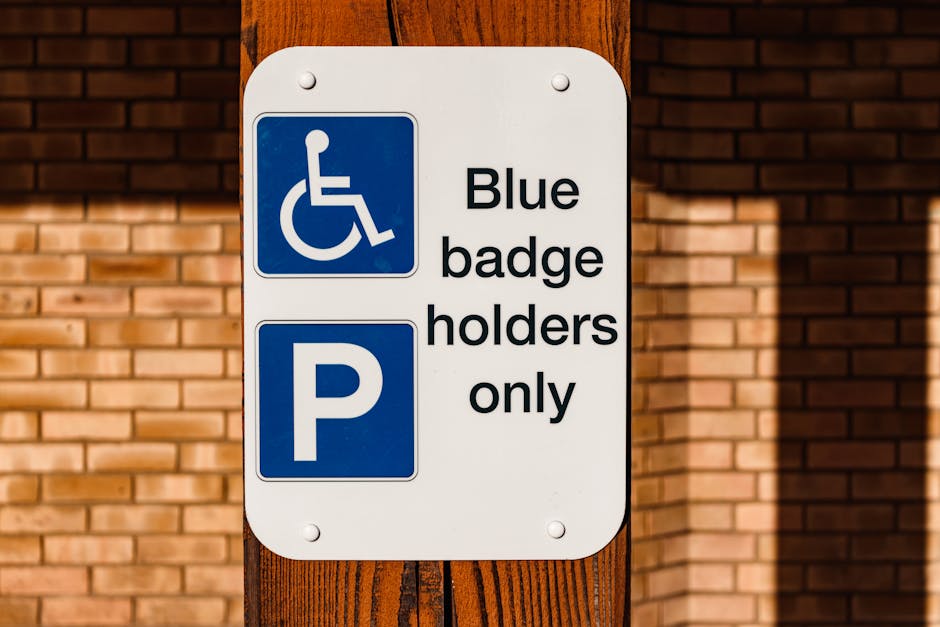
Common Mistakes to Avoid
Most parking problems on moving day are not freak accidents. They are usually predictable, which is slightly annoying because it means they were avoidable.
- Assuming a loading bay is automatically usable. Check the restrictions, not just the paint on the road.
- Leaving parking arrangements too late. A last-minute plan is often a weak plan.
- Ignoring van size. A bigger vehicle can be helpful, but only if the street can actually support it.
- Forgetting about access from the bay to the front door. A close bay is useful, but only if the route is clear and practical.
- Not telling the removal team about restrictions. They cannot plan around information they do not have.
- Assuming the same rules apply in every part of Lambeth. They often do not. One road can be straightforward while the next is a puzzle.
- Overlooking building rules. Some blocks have their own access requirements or booking expectations on top of street controls.
A useful habit is to double-check everything the night before, then again on the morning itself. It sounds fussy. It is fussy. But in removals, fussy often saves money. If you want to avoid other common move-day surprises too, the article on avoiding hidden removals fees in Lambeth and Brixton is worth a read.
Tools, Resources and Recommendations
You do not need a pile of fancy tools to manage removal parking well. What you do need is accurate information, good timing, and a few practical habits.
- Street sign photos for the exact bay or loading restriction.
- Floor plan or building access notes so the team knows the shortest legal route.
- Parking bay measurements if the road is tight or the van is large.
- Move-day contact sheet with the property contact, driver, and any building manager details.
- Packing labels to reduce time spent sorting in the street.
For a more complete view of the moving process, the following pages can help tie the logistics together: services overview, packing and boxes guidance, and pricing and quotes for budgeting early. If your move is part of a full home change, you may also find the advice in home removals in Lambeth useful.
Sometimes the simplest recommendation is also the best one: speak to the removal firm early and be honest about the access. No heroics. No guesswork. Just facts.
Law, Compliance, Standards, or Best Practice
This is where care matters. Parking and loading in London sits inside a regulated street environment, and the exact rules depend on the bay type, street signage, and any temporary permissions that may apply. It is not sensible to assume that a quick stop is automatically allowed just because you are unloading furniture. In a controlled street, stopping without checking can create an avoidable contravention.
As a best practice, always treat the street signs and bay markings as the first authority on the day. If there is any uncertainty, plan conservatively rather than optimistically. For removals, that means:
- not blocking access routes or shared entrances
- keeping the loading period as short as practical
- avoiding unnecessary idling or vehicle obstruction
- making sure the driver understands the permitted stopping arrangement
- coordinating with building rules where applicable
Good removals operators also work to internal standards around safety and responsible handling. You can see that broader approach reflected in pages like insurance and safety and health and safety policy. For customers, the takeaway is simple: the safest move is usually the one that is planned, communicated, and legally parked.
Key takeaway: do not treat removal parking as an afterthought. In Lambeth, the loading space is part of the move itself.

Options, Methods, or Comparison Table
Different moves call for different parking approaches. Here is a plain-English comparison to help you weigh the options.
| Option | Best for | Pros | Watch-outs |
|---|---|---|---|
| Short loading stop in a marked load zone | Small moves, fast loading, straightforward access | Simple, quick, often enough for light moves | May not suit longer jobs or larger vehicles |
| Parking permit arrangement | Moves needing planned vehicle presence in a controlled area | More certainty around stopping space | Needs early coordination and correct street fit |
| Bay suspension or reserved space | Very tight streets, larger removals, important access windows | Best chance of keeping the space clear | Usually more planning-heavy; timing is critical |
| Flexible smaller-vehicle approach | Busy roads or awkward access where a large van is a poor fit | Can work better in narrow streets and tight bays | May require more trips if the load is large |
There is no universal winner. A small flat in one part of Lambeth may be quicker with a compact van and a short loading stop, while a family move elsewhere may genuinely need a more formal parking arrangement. If you are not sure, comparing the access to the volume of items usually points you in the right direction.
Case Study or Real-World Example
Picture a Saturday morning move from a top-floor flat near a busy Lambeth street. The team arrives just after eight. The tenant has packed well, the lift is not involved, and the boxes are neatly grouped by room. Good start. But the parking plan is where the difference appears.
The first option is a nearby bay that looks convenient, but it is already partly occupied and has a tighter restriction window than expected. The second option is slightly further away but sits beside a legal loading area that allows the van to stop cleanly while the crew works. The removal team chooses the second option. It adds a short walk, yes, but it avoids a ticket risk and gives everyone a little breathing room.
Because the driver can stop legally and the route is clear, the largest items go out first. The sofa, then the mattress, then the heavy boxes. There is no repeated shuffling of the van. No one is rushing to guess where to stand. The job finishes on time, and the customer does not spend the afternoon worrying about enforcement notices. That is the sort of move people remember for the right reasons, even if nobody claps at the end. Which is probably fine.
For many local households, that same logic applies whether the move is a small flat clearance or a larger house relocation. The method is different, but the principle is the same: legal parking gives you control, and control keeps stress down.
Practical Checklist
Use this on the run-up to moving day. Print it, screenshot it, scribble on it. Whatever works.
- Confirm the exact moving address and street name.
- Check for loading bays, resident bays, yellow lines, and any time restrictions.
- Decide whether the move needs a permit, a loading arrangement, or a reserved space.
- Match the van size to the street access.
- Tell the removal team about any access issues, stairs, or narrow entry points.
- Take photos of signs and bay markings the day before.
- Warn neighbours or building management where appropriate.
- Keep key contact numbers handy on the day.
- Pack and label items so loading is efficient.
- Leave a small time buffer in case the road is busier than expected.
If you are also planning a bigger property transition, it may help to read about buying and selling homes in Lambeth and smart real estate tips for Lambeth. Parking is only one part of the move, but it often shapes the rhythm of everything else.
Get a free quote today and see how much you can save.
Conclusion
Lambeth council parking permits for removals and load zones may not be the most exciting part of your move, but they are one of the most practical. Get them right and the day feels smoother, safer, and more predictable. Get them wrong and even a well-packed move can unravel into delays, fines, and unnecessary carrying. Nobody needs that on moving day, especially not before lunch.
The best approach is simple: check the street, understand the loading rules, choose the right vehicle, and build the parking plan into the move from the start. If you are moving in Lambeth, that kind of attention is rarely wasted. In fact, it usually saves time, money, and a fair bit of frustration.
When the last box is out and the van pulls away cleanly, it is a good feeling. Not dramatic, just solid. And sometimes, that is exactly what a move needs.