Kennington Oval Small Flat Removals Stair Access Advice: Practical Planning for Tricky London Moves
Moving out of a small flat near Kennington Oval can feel straightforward on paper, then suddenly turn into a puzzle the moment you see the stairs. Narrow communal landings, awkward turns, shared entrances, old banisters, parking pressure, and a sofa that looked perfectly manageable in the photos... until it meets the stairwell. That is exactly why Kennington Oval small flat removals stair access advice matters. A little planning before move day can save you time, damage, and that horrible last-minute scramble when everyone is stood in the hall wondering how the wardrobe is meant to fit.
This guide breaks down what to check, how stair access affects small flat removals, and the practical steps that make a London move smoother. Whether you are moving a studio, a one-bed, or a compact rented flat, the aim is the same: keep it safe, keep it efficient, and avoid unnecessary drama. If you want a broader feel for the area and the kinds of moves people make locally, our About Lambeth page and local guide to living in Lambeth are useful starting points.
Table of Contents
- Why Kennington Oval small flat removals stair access advice Matters
- How Kennington Oval small flat removals stair access advice Works
- Key Benefits and Practical Advantages
- Who This Is For and When It Makes Sense
- Step-by-Step Guidance
- Expert Tips for Better Results
- Common Mistakes to Avoid
- Tools, Resources and Recommendations
- Law, Compliance, Standards, or Best Practice
- Options, Methods, or Comparison Table
- Case Study or Real-World Example
- Practical Checklist
- Conclusion
- Frequently Asked Questions
Why Kennington Oval small flat removals stair access advice Matters
Small flats are often easier to pack, but not always easier to move. Around Kennington Oval and the wider Lambeth area, you get a mix of Victorian conversions, mansion blocks, newer apartment buildings, and older properties with tight staircases that were never designed for modern furniture. That is the real issue. A compact flat can still contain heavy, awkward, fragile things: a mattress, a sofa bed, a mirrored wardrobe, a washing machine, a bike, a desk that does not quite separate as nicely as hoped.
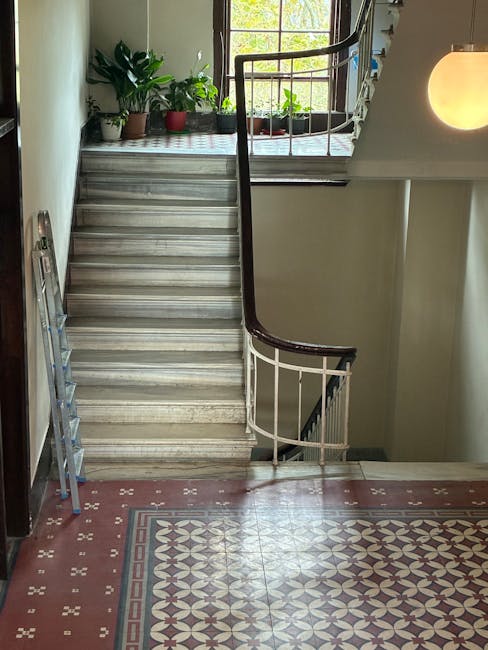
Stair access changes everything. It affects how many movers you need, whether items can be carried safely, how long the job takes, and whether you need special handling for bulky furniture. In some buildings, the stairwell is so narrow that one wrong turn can scuff the wall or chip a door frame. In others, the landing is fine, but the stairs are steep and the lift is out of action. Classic London, really.
The goal is not to make a small move complicated. It is to spot the bottlenecks early. If you know what the stair access looks like, you can choose the right vehicle, the right crew size, and the right method. That tends to keep costs sensible too, which is never a bad thing. For context on service options across the borough, you may also find our flat removals in Lambeth page and general removals service page helpful.
Expert summary: The fewer surprises at the staircase, the smoother the move. Measure early, photograph access points, and tell your removals team about every turn, step, and landing. That one habit prevents a surprising amount of stress.
How Kennington Oval small flat removals stair access advice Works
In practice, stair access advice is a simple pre-move process. You assess the route from the flat to the vehicle, identify restrictions, and plan the safest way to move items out without damage. It is part logistics, part common sense, and part honest communication.
Here is what is usually checked:
- Stair width and height: Can two people pass? Can a wardrobe be tilted safely?
- Landings and corners: Is there room to pivot large items?
- Ceiling clearance: Low ceilings and light fittings can make carrying taller items awkward.
- Handrails and walls: Useful for stability, but easy to scrape if the route is tight.
- Lift access: Is there a working lift, and if so, does it fit the item dimensions?
- Entrance and street access: How far is the van from the front door?
- Parking and loading space: Can the vehicle stop legally and safely close enough?
Once those basics are known, the moving plan becomes much clearer. A small flat might only need a man and van service, or it might need a larger team if the stairs are tough and the furniture is heavy. If the job includes multiple floors and bulky items, it can be worth reviewing man and van options in Lambeth alongside home removals support so the service matches the access conditions, not just the room count.
Truth be told, the best removals jobs often look boring. No panic, no furniture wedged sideways, no rushed phone calls from the stairwell. Just a clean plan and a crew who already knows what they are walking into.
Key Benefits and Practical Advantages
Good stair access planning does more than protect the walls. It improves the whole moving day from start to finish.
- Less damage risk: Tight stairs are where scrapes, dents, and chipped corners happen.
- Faster loading: If movers know the route, they can work in a steady rhythm instead of stopping and starting.
- Better quote accuracy: Accurate access details help avoid awkward surprises on the day.
- Safer lifting: Clear access means fewer awkward twists and fewer unsafe carries.
- Less stress for you: You do not have to keep improvising with boxes in the hallway.
There is also a subtle but important benefit: confidence. When you know the stair access has been thought through, the move feels manageable. That matters more than people expect. Small flat removals can be physically tiring, especially if you are moving after work, moving alone, or trying to fit everything into a single morning slot.
If your move includes furniture that needs extra care, our furniture removals service and packing and boxes guidance can help you plan a more protective approach. And if you are moving something unusually awkward, such as a piano or a delicate item, specialist support may be the smarter route. No heroics required.
Who This Is For and When It Makes Sense
This advice is especially useful if you are in one of these situations:
- You live in a top-floor flat with no lift.
- Your stairwell has narrow turns or a tight first landing.
- You have a sofa, mattress, wardrobe, or appliance that barely fit on the way in.
- You are moving from a period conversion or a building with shared access.
- You are handling the move yourself and need to know whether the job is realistic.
- You are comparing removal quotes and want a fair, accurate price.
It also makes sense if your move is time-sensitive. Maybe your tenancy ends at lunchtime, or your keys are only available after a certain hour. In those cases, a poor stair plan can ripple through the whole day. Suddenly the schedule that looked neat in the email feels a bit wobbly in real life.
Students, young professionals, couples in one-bed flats, and people downsizing all tend to benefit from the same thing: a route plan that is specific rather than vague. If you want an overview of how different moving services fit together, take a look at our services overview and the broader removal services in Lambeth page.
Step-by-Step Guidance
Here is the simplest way to approach stair access for a small flat move near Kennington Oval.
- Walk the route in advance. Start at the front door of the flat and walk all the way to the vehicle loading point. Notice every corner, door, step, and narrow stretch.
- Measure the awkward items. Sofa length, mattress width, wardrobe height, fridge depth, and the size of any boxed item that is bulky rather than heavy.
- Take photos or short videos. These are incredibly useful for giving accurate access details to the removals company. A quick clip of the stairwell says more than a long email ever will.
- Check whether items can be dismantled. Beds, desks, tables, and some wardrobes are easier to move in parts. Just do not strip everything down before checking whether reassembly is straightforward.
- Confirm parking and loading arrangements. Find out where the van can stop, whether there are restrictions, and whether the team will have to carry items a long distance.
- Label the heaviest or most fragile boxes. This helps the crew prioritise loading order and avoids chaos at the bottom of the stairs.
- Keep the staircase clear. On the day, remove shoes, rugs, loose items, and anything that could trip someone.
- Do a final check before the move starts. Confirm the access route, any lift issues, and whether neighbours need to be warned about temporary hallway use.
A useful habit is to think in terms of bottlenecks. What is the one thing most likely to slow the move down? Usually it is not the packing. It is the corridor, the landing, or the one bed frame that needs to go out at a precise angle. Once you know that, the rest is easier to manage.
Expert Tips for Better Results
These are the little things that often separate a tidy move from an exhausting one.
- Move heavy items first, if access is easiest early in the day. Stairwells are often calmer before neighbours start coming and going.
- Use proper grip, not speed. Fast is rarely smart on narrow stairs.
- Protect the building before you protect the clock. Wall covers, blankets, and careful cornering save more time than rushed handling.
- Keep a small "last out" bag. Put keys, chargers, water, documents, and a snack in one place. You will thank yourself later.
- Be honest about the awkward stuff. If the wardrobe used to scrape the stair wall on the way in, say so. It matters.
A small but useful observation from real-world moves: people often underestimate the difference between one awkward turn and two. One turn is manageable. Two tight turns plus a narrow landing can turn a simple chest of drawers into a slow, careful operation. Not impossible. Just slower.
And if you have something unusually delicate, fragile, or heavy, ask whether specialist handling is needed. Our piano removals page shows the kind of care required for awkward, high-value items. The principle is the same for other difficult possessions: know the route, use the right equipment, and do not guess.
Common Mistakes to Avoid
Most stair access problems are avoidable. The catch is that they are easy to miss when you are focused on packing boxes and forwarding post.
- Not measuring anything. Guessing the sofa will fit is not a strategy.
- Forgetting about the landing. Many items can start the staircase but struggle at the turn.
- Ignoring the route from flat to van. A long walk through a building can be just as challenging as the stairs themselves.
- Leaving access details until move day. By then, the options are limited and everyone is under pressure.
- Overpacking boxes. Heavy boxes on stairs are awkward and tiring. Keep them sensible.
- Not telling the movers about fragile building features. Old paint, tight bannisters, and low light fittings are all worth mentioning.
One more thing: do not rely on memory alone. The flat may feel familiar, but once you are moving a double mattress and two dozen boxes, details you never noticed suddenly matter a lot. Funny how that works.
Tools, Resources and Recommendations
You do not need a huge amount of specialist gear for a small flat move, but a few basic tools make a real difference.
- Measuring tape: For doorways, stair width, furniture dimensions, and awkward angles.
- Phone camera or video: A quick visual record of the access route is invaluable.
- Furniture blankets and covers: Useful for protecting surfaces in narrow stairwells.
- Tape, labels, and marker pens: Keep boxes organised and easy to prioritise.
- Dismantling tools: Allen keys, screwdrivers, and a small bag for fittings.
- Sturdy gloves and sensible footwear: Especially important if you are carrying items yourself.
For broader preparation, these pages can help you build a more complete moving plan: pricing and quotes for understanding how access can affect cost, insurance and safety for peace of mind, and health and safety policy for the standards behind careful working practices.
If you are trying to compare service styles, our removal companies in Lambeth page and movers in Lambeth page are also useful references. They can help you think beyond price alone, which is rarely the full story anyway.
Law, Compliance, Standards, or Best Practice
For most small flat removals, the main compliance concerns are practical rather than complicated. You are typically dealing with property access, safe lifting, vehicle parking, and care of the building. The exact requirements depend on the building, the local street, and the service provider, so it is sensible to check any landlord, managing agent, or parking restrictions in advance.
In the UK, best practice usually includes:
- carrying items safely and avoiding unsafe lifting
- protecting walls, bannisters, and floors where needed
- ensuring access routes are not blocked for other residents
- using vehicles and loading practices that are appropriate for the job
- being clear about insurance, responsibility, and service terms before the move
It is also smart to check the provider's published terms if you are booking a service online. Our terms and conditions and terms pages explain the sort of booking clarity that helps avoid disputes later. A move day is not the best time to discover what was assumed, but never written down.
Where accessibility is a concern, or if someone in the household has mobility needs, it can be useful to review the accessibility statement as part of your planning. That kind of due diligence may feel dull before the move, but it can make a genuine difference when access is tight.
Options, Methods, or Comparison Table
Not every stair access situation needs the same approach. Here is a simple comparison to help you choose the right method for a small flat move.
| Approach | Best For | Strengths | Limitations |
|---|---|---|---|
| DIY with friends | Very small loads, light furniture, easy stairs | Low direct cost, flexible timing | Higher risk of injury, damage, and delays |
| Man and van | Small flats, a few bulky items, moderate stair access | Good balance of cost and support | May not suit very heavy or highly awkward items |
| Full removals team | Heavier loads, awkward staircases, time-critical moves | More hands, better handling, usually faster | Higher cost than a basic van-only approach |
| Specialist handling | Pianos, antiques, fragile or oversized pieces | Tailored care and equipment | Only needed for certain items, so not always necessary |
If you are unsure which route fits your move, start with the access rather than the item count. That is the cleaner way to decide. A one-bedroom flat with a brutally tight staircase can be harder than a two-bedroom flat with a decent lift and a straightforward loading point. Funny, but true.
Case Study or Real-World Example
Picture a typical small flat near Kennington Oval: one bedroom, a compact living area, a mattress, a sofa, a desk, a few shelves, and several well-packed boxes that seemed perfectly reasonable at the time. The flat is on an upper floor with stairs that narrow slightly near the bend. There is no lift. The front entrance is shared, and parking outside is limited.
Without planning, the move would probably go like this: the crew arrives, discovers the sofa is wider than expected, takes a slow look at the turn in the stairwell, and spends extra time figuring out the safest angle. That is not a disaster, but it does slow everything down.
With advance stair access advice, the move changes. The removals team receives photos beforehand, knows the sofa needs to be rotated at the landing, and brings the right number of people. The desk is dismantled before move day. Boxes are grouped by weight. The van is positioned as close as the parking rules allow. The whole job becomes calmer, more predictable, and less tiring for everyone involved.
That is the real value of access planning. Not perfection. Just fewer surprises and a better rhythm. You can almost hear the move breathe easier.
Practical Checklist
Use this quick checklist the day before your move.
- Measure doors, stair width, landings, and the largest furniture pieces.
- Take photos of the stair route and entrance.
- Confirm whether the lift works, if there is one.
- Check parking or loading restrictions near the building.
- Dismantle furniture where appropriate and keep fittings in labelled bags.
- Pack heavy boxes sensibly so they can be lifted safely on stairs.
- Clear the hallway, stairwell, and front door area.
- Tell the removals team about any delicate walls, tight turns, or awkward corners.
- Set aside essentials like ID, keys, chargers, and water.
- Review the booking terms, insurance notes, and arrival time.
One small bonus tip: keep a cloth or wipe handy for dusty bannisters or scuffed shoes. London stairwells can be oddly dusty in the corners, especially in older blocks, and a quick clean-up can make the handover feel a bit more polished. Not essential, but nice.
Get a free quote today and see how much you can save.
Conclusion
Kennington Oval small flat removals stair access advice is really about turning a tricky moving day into a manageable one. If you understand the staircase, measure the awkward items, and tell the removals team what they are dealing with, you remove most of the stress before it even starts. That is the quiet secret behind smoother London moves.
For many people, the move is not difficult because there is too much stuff. It is difficult because there is not enough room in the wrong places. Once the access plan is solid, the whole process becomes more predictable, safer, and a lot less tiring. And that, to be fair, is what most people want from a flat move: no drama, no guesswork, just a clean start in the next place.
If you are planning a move in Lambeth or nearby, take the time to think through your access route now. It is one of those little jobs that pays you back on moving day, usually in the form of saved time, fewer scratches, and one less thing to worry about. Not bad for a few minutes with a tape measure.
Frequently Asked Questions
What is the most important part of stair access planning for a small flat move?
The most important part is checking whether large items can turn safely on the staircase and landings. Straight sections are usually fine; corners and narrow bends are where problems appear.
Do I need to measure everything before booking a removals company?
You do not need every single box measured, but you should measure the largest furniture items, doorways, stair width, and any awkward turns. That gives the removals team enough information to plan properly.
Is a man and van service enough for a small flat near Kennington Oval?
Sometimes yes, especially if the load is light and the access is straightforward. If you have heavy furniture, multiple flights of stairs, or a tight hallway, a fuller removals service may be more suitable.
What should I do if my flat has no lift?
Tell the removals company in advance, pack boxes with stair carrying in mind, and consider whether any furniture should be dismantled. No lift is manageable, but it changes the pace and the effort involved.
How can I protect the walls and bannisters during a move?
Use furniture blankets, corner protection where appropriate, and slow, controlled carries. The crew should know about tight turns and delicate surfaces before they arrive.
Will stair access affect the cost of my move?
Very often, yes. More difficult access can mean more time or more crew members are needed. Accurate details help produce a fairer quote and reduce the chance of changes on the day.
Should I dismantle my furniture before the movers arrive?
If the item can be dismantled safely and reassembled easily, that usually helps. Beds, tables, and some wardrobes are often easier to move in parts. Keep screws and fittings labelled so reassembly is not a headache later.
What if I am worried the sofa will not fit down the stairs?
Measure the sofa and compare it to the tightest part of the route. If there is any doubt, send photos to the removals team and ask for a practical view. Sometimes removing legs or turning the sofa vertically solves it; sometimes a different route or method is needed.
Are there any safety rules I should know about for moving items on stairs?
The main best practice is to avoid unsafe lifting, keep walkways clear, and use proper handling methods. If anything feels too heavy or awkward, stop and reassess rather than forcing it.
How far in advance should I arrange stair access advice?
Ideally a few days before the move, but earlier is better if you have a tricky building or bulky items. That gives time to measure, take photos, and plan parking or loading arrangements properly.
Can I use the lift for all my items if there is one?
Only if the lift is large enough and suitable for the items being moved. Some lifts are fine for boxes but not for wardrobes, sofas, or mattresses. Check the dimensions rather than guessing.
Where can I learn more about moving in Lambeth?
For a broader local perspective, our complete removals guide for Brixton SW2 residents, housing guide for Lambeth movers, and smart real estate tips can all help you plan the next step with more confidence.
What if I need a same-day move because my access window is short?
If timing is tight, tell the removals provider as early as possible. Same-day support can sometimes help, but only if the access details are clear. Our same-day removals in Lambeth page is a useful reference for those urgent situations.
Moving from a small flat with awkward stairs is never the dream part of the week, but with the right advice it does not have to be a nightmare either. A calm plan, a careful route, and a bit of local know-how go a long way.